 Top Injectors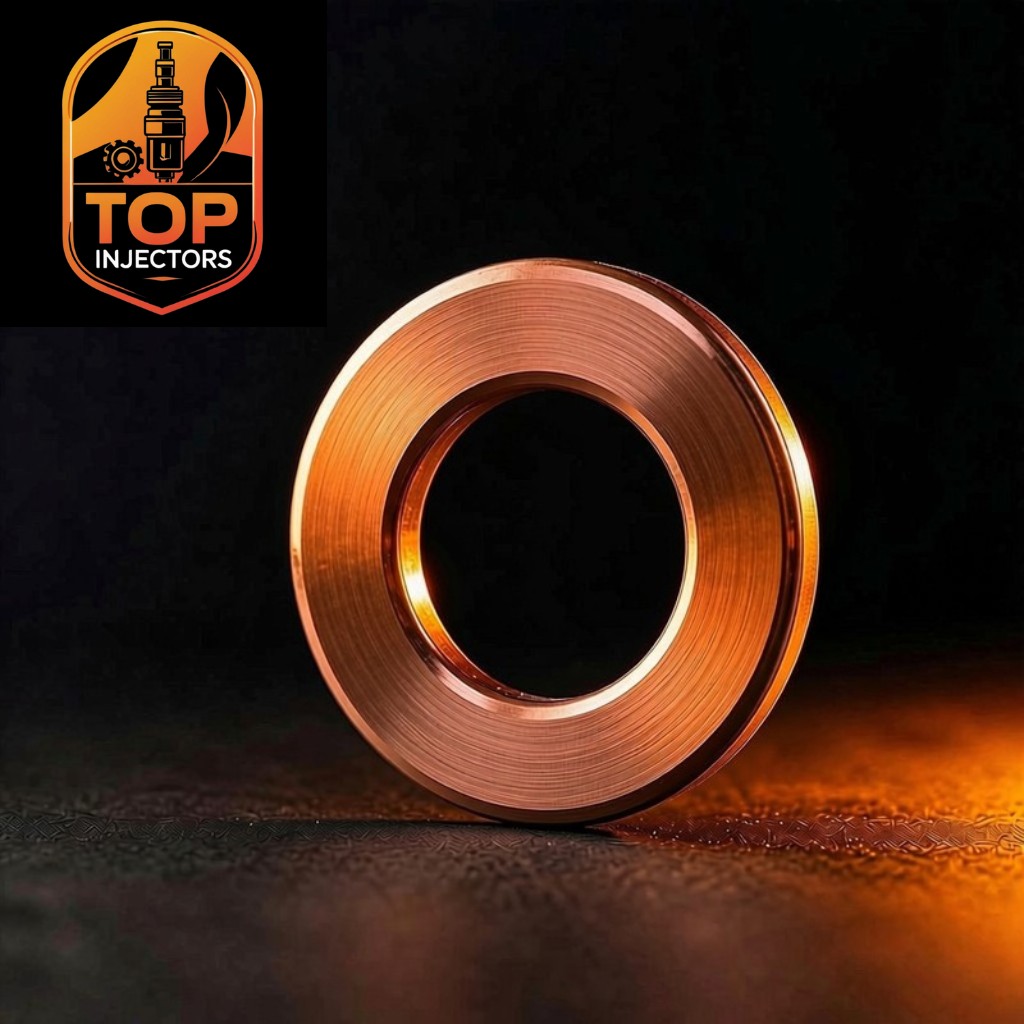
When we talk about diesel injectors, most people think about the complex electronics, the tiny nozzles, or the high pressures involved. But there's a small, often overlooked component that plays a massive role in your engine's health and performance: the injector sealing washer, sometimes called a fire washer or copper washer.
It's just a thin piece of copper or sometimes steel, sitting right at the base of the injector where it meets the cylinder head. Sounds simple, right? Well, its job is anything but.
What Does an Injector Sealing Washer Do?
Its primary function is to create a gas-tight seal between the injector and the cylinder head. This prevents combustion gases, which are incredibly hot and under immense pressure, from escaping past the injector. Think of it like a gasket for your injector. Without a perfect seal, those gases will find a way out.
What Happens When a Sealing Washer Fails?
- Carbon Build-up (The 'Black Death'): This is the most common and visible sign. Hot combustion gases leaking past a failed washer will burn the fuel and oil residue around the injector, creating a thick, tar-like carbon build-up. It looks like black, crusty gunk around the base of the injector, often spreading up the injector body. If left untreated, this carbon can make injector removal incredibly difficult, sometimes even requiring specialised tools or cylinder head removal.
- Reduced Engine Performance: A leak means combustion gases aren't being fully contained, which can subtly affect compression in that cylinder. You might notice a slight misfire, rough idle, or a general lack of power.
- Hissing or Chuffing Sound: As gases escape, you might hear a distinct hissing, chuffing, or puffing sound from the engine bay, especially when the engine is cold or under load. It's the sound of high-pressure gases escaping.
- Injector Damage: The constant exposure to hot, high-pressure gases and carbon can damage the injector body itself, corroding the metal and potentially leading to internal failures.
- Smell of Diesel Fumes: A strong smell of diesel in the cabin or around the engine bay can also be a sign of a leaking injector, though this can also be from fuel leaks higher up.
Why Do They Fail?
Sealing washers are under extreme stress. They get compressed during installation, exposed to thousands of degrees of heat and hundreds of bars of pressure every second the engine runs. Over time, this constant punishment causes them to fatigue, deform, and lose their sealing ability. Incorrect installation, like over-tightening or re-using old washers, is also a common culprit.
At Top Injectors, when we recondition or test injectors, replacing these washers is a fundamental part of the job. It's a small part, but ignoring it can lead to big, expensive problems down the line. If you suspect an issue, get it checked – it's far cheaper to replace a washer than a seized injector or a damaged cylinder head.
Got this issue?
Tell us your vehicle details and symptoms — we'll help diagnose it and quote a repair or reconditioning if needed.
Get an Injector Quote →