 Top Injectors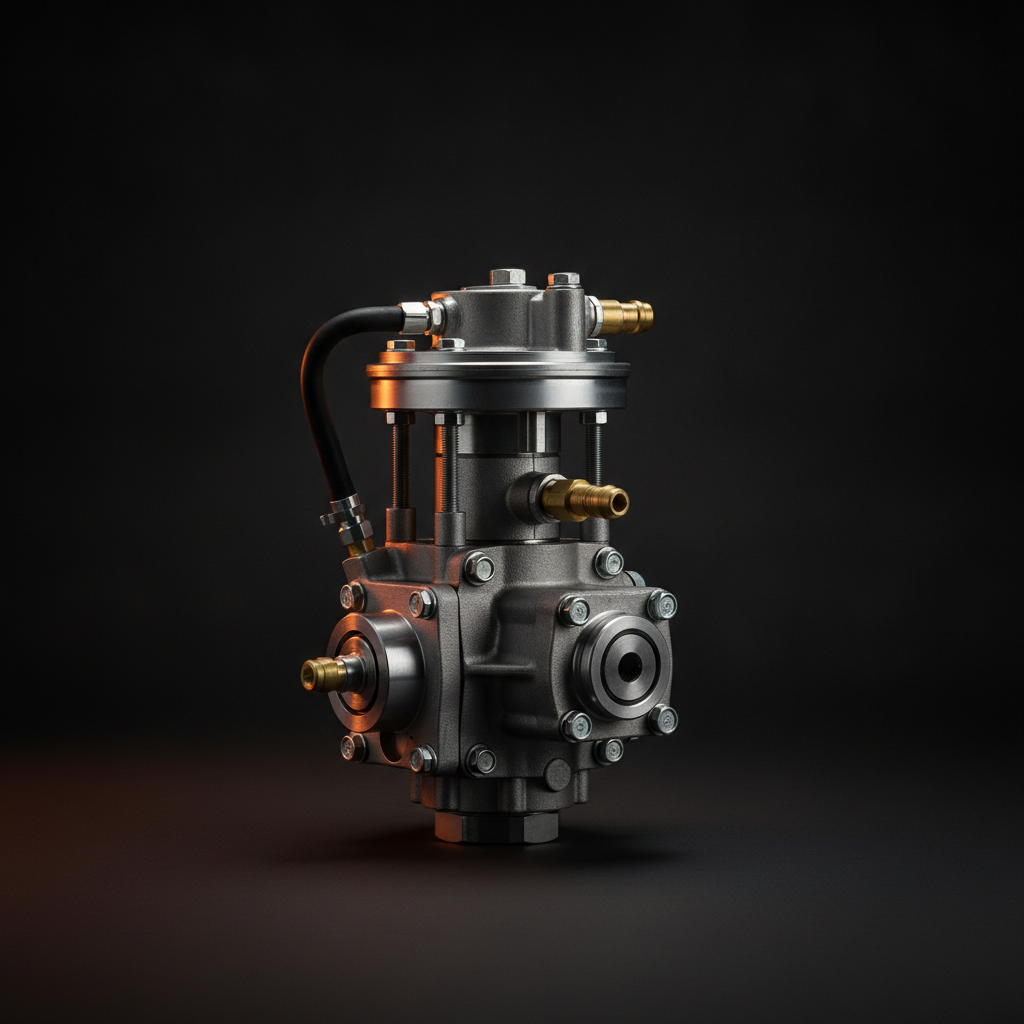
When it comes to your diesel engine, most people think about the injectors or the turbo, but the fuel pump – particularly the high-pressure pump in modern common rail systems – is the heart of the fuel delivery. And just like your own heart, it needs clean, pure input to function properly. Skimping on fuel quality or ignoring basic maintenance can lead to seriously expensive problems down the line.
The Hidden Dangers of Contaminated Fuel
Diesel fuel isn't always as clean as you might think. Contaminants come in a few common forms, and all of them are bad news for your pump:
- Water: This is a big one. It can get in through condensation in your tank, leaky fuel caps, or even from the fuel station itself. Water doesn't lubricate, and it causes corrosion, especially in the precision-machined parts of your fuel pump. In colder weather, it can freeze and block fuel lines or damage components.
- Particulates: Dirt, rust flakes from older tanks, or even tiny metal shavings from worn components upstream can act like sandpaper inside your pump. These microscopic particles grind away at the tight tolerances within the pump, leading to premature wear and loss of pressure.
- Biological Growth (Diesel Bug): This is a nasty one. Microbes can grow in the interface between water and diesel, forming a slimy sludge. This sludge clogs fuel filters rapidly and can create acidic byproducts that corrode fuel system components.
How Contamination Damages Your Pump
Your diesel pump, especially a common rail high-pressure pump, operates under immense pressure and with incredibly tight tolerances. It relies on the fuel itself for lubrication and cooling. When contaminants are present, this is what happens:
- Corrosion: Water leads to rust and pitting on internal pump surfaces. This damages the seals and precision-fit components, causing internal leaks and reducing pump efficiency.
- Abrasion: Hard particles wear away at the internal moving parts – plungers, rollers, cam lobes. This creates excessive clearances, leading to a loss of the high pressure needed for proper injection. It also generates more metal debris, creating a vicious cycle of damage.
- Seizing: In extreme cases, severe contamination or lack of lubrication (often due to water) can cause pump components to seize completely, bringing your engine to a grinding halt. This usually means a complete pump replacement, often with collateral damage to the injectors due to metal swarf.
Protecting Your Pump: What You Can Do
Prevention is always cheaper than repair. Here’s how you can look after your diesel pump:
- Regular Fuel Filter Changes: This is non-negotiable. Your fuel filter is the first line of defence. Follow your manufacturer's recommended service intervals religiously, or even change them more frequently if you often refuel from questionable sources.
- Use Reputable Fuel Stations: Stick to well-known brands and busy stations. They have higher fuel turnover, meaning less chance of stale or contaminated fuel sitting in their tanks.
- Avoid Running on Empty: Keeping your tank full, especially overnight, reduces the air space for condensation to form. Running a diesel tank very low also increases the chance of picking up sediment and water from the bottom of the tank.
- Consider a Water Separator: Many modern diesels have one, but if yours doesn't, or if you operate in particularly humid conditions, an aftermarket fuel/water separator can add an extra layer of protection. Remember to drain it regularly.
A healthy fuel pump is essential for engine performance and longevity. If you suspect your fuel pump has been compromised by contamination, or if you're experiencing any diesel fuel system issues, get it checked out by professionals. We can test, diagnose, and recondition pumps to bring them back to spec, saving you from much larger bills down the line.
Got this issue?
Tell us your vehicle details and symptoms — we'll help diagnose it and quote a repair or reconditioning if needed.
Get a Pump Quote →